
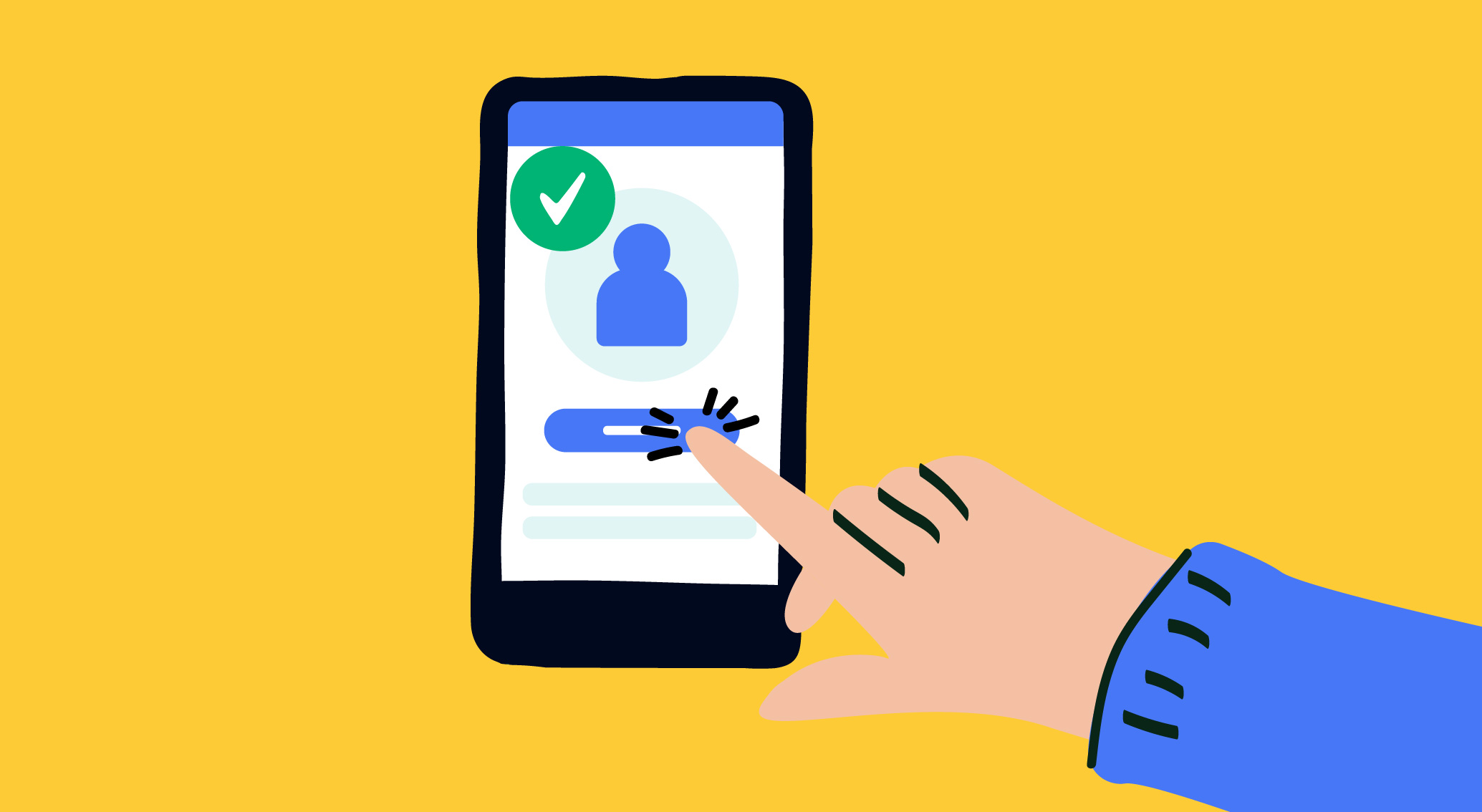
Opening your first investing account can feel harder in your head than it does in real life.
Many investors aren’t hesitant because the investing steps are complicated. They get stuck because they’re not sure what they’ll need, what questions they’ll be asked or whether they’re supposed to have it all figured out before they invest.
Here’s the thing. You don’t need a full investing strategy to open an account. You just need to have a few basics ready to go. And honestly, those basics aren’t as intimidating as you might think.
One of the easiest ways to open an investing account
Opening an investing account can actually be easy. It really comes down to two things:
First, gather your basic information. That means your identification (ID), key personal details, the account type you want and a bank account you can fund from. The more of these basics you have ready, the smoother the whole process tends to feel.
Second, let the setup guide you. With managed investing, you don’t need to know which stocks or ETFs to pick. The whole thing happens in the app. Investly will ask you questions about your comfort with risk, then match you to an investing portfolio built around your answers.
What to have ready before you start
A clear idea of which investing account you want to open
You don’t need to be an expert in every account type. You just need to know which one you’re trying to open.
Still deciding which type is right for you and your goals? Investly supports a Tax-Free Savings Account (TFSA), Registered Retirement Savings Account (RRSP), First Home Savings Account (FHSA) and up to four non-registered accounts. It’s worth pausing to weigh those options before you start. Here are some details about each account:
RRSP: Built for long-term retirement savings, contributions can help reduce your taxable income in the short-term while your investments have a chance to grow over time.
TFSA: Designed for both long-term and short-term goals, any investment growth and withdrawals in this account are generally tax-free.
FHSA: This is a great option for saving for a first home. You’ll get tax-deductible contributions right away and tax-free withdrawals when buying the home.
A piece of government-issued ID and a selfie
You’ll need to scan your ID during setup. A driver's licence or passport works just fine (health cards, however, are not accepted). You’ll also snap a quick selfie holding your ID as part of the identity verification process.
Before you begin, keep your ID close by and make sure it's readable and easy to scan with your phone camera.
Your Social Insurance Number
You’ll need to provide your Social Insurance Number (SIN) during setup. Heads up: investing firms are required to collect this type of personal information when you open an account so they can meet specific legal requirements.
It might feel like a bit of extra work, but it’s just part of verifying who you are as securely and safely as possible before your money gets invested.
Your basic personal details
Expect to share your legal name, date of birth, address, email and phone number. This is standard for any registered investment account in Canada.
When you open an online investing account, sharing these details makes sure your account activity gets reported correctly come tax time.
A bank account you can fund from
Opening an investing account and funding it aren’t exactly the same step. Even with your account open, you can’t move your money in until you connect your bank account.
Deposits get processed after your identity is verified, and the portfolio in the account is approved. From there, deposits can take one to five business days to show up in your balance. Knowing which bank account you'll use ahead of time helps you avoid any delays.
A note on eligibility
To open an investing account in Canada, you generally need to be a Canadian resident, meet the minimum age requirement for your province (18 or 19, depending on where you live) and have a valid SIN. You’ll also need a Canadian phone number as part of the verification process.
What happens during the setup process with Investly
The Investly setup flow is simple and fully app-based. Simply sign up in the app and select “start investing.” Then follow the prompts to:
- Select your account type
- Verify your ID with a scan, selfie and SIN
- Answer a few questions about your comfort with risk
- Get matched to a portfolio built around your answers
- Link your bank account and complete any remaining approval steps
You don’t need to know how every portfolio works before you begin. The answers you give on your questionnaire helps us match you to an investing portfolio that’s right for you.
What usually slows people down
Most slowdowns come from missing small details. Here are the most common ones:
- Account choice isn’t decided yet
- ID isn’t available or doesn’t scan clearly
- SIN isn’t available
- Bank connection isn’t set up
- Identity or account approval steps still need to finish before deposits can move
One thing worth remembering: opening your investing account and having your deposit fully processed are two separate things. If anything extra is needed, we’ll let you know through chat or a banner, so you're never left guessing.
What you don’t need to figure out before opening an Investly account
You don't have to have all the answers when you open an account with Investly. Managed investing gives you access to a hands-off approach, where you get matched to professionally built portfolios that are managed on your behalf.
Investly is built so the setup process does the heavy lifting for you. With Investly, you won’t have to choose which stocks you invest in or build your own portfolio. By the time you reach the account-opening steps, all you really need to do is have your info ready, not become an investing expert overnight.
A simple pre-opening checklist
To recap, here's a quick checklist to make things easier. Before you start, make sure you've got:
- The account type you want to open in mind
- Your driver's licence or passport
- Your SIN
- Your basic personal details, including your legal name, date of birth, and address
- A few uninterrupted minutes
- A bank account in mind for funding
Remember: verification and deposits may take some time.